
Through colorful intermedia artworks, Studio Arts Instructor Ram Andre P. Cosmo revisits the experiences of growing up gay and transforms childhood memories into spaces for play, self-affirmation, and queer expression.
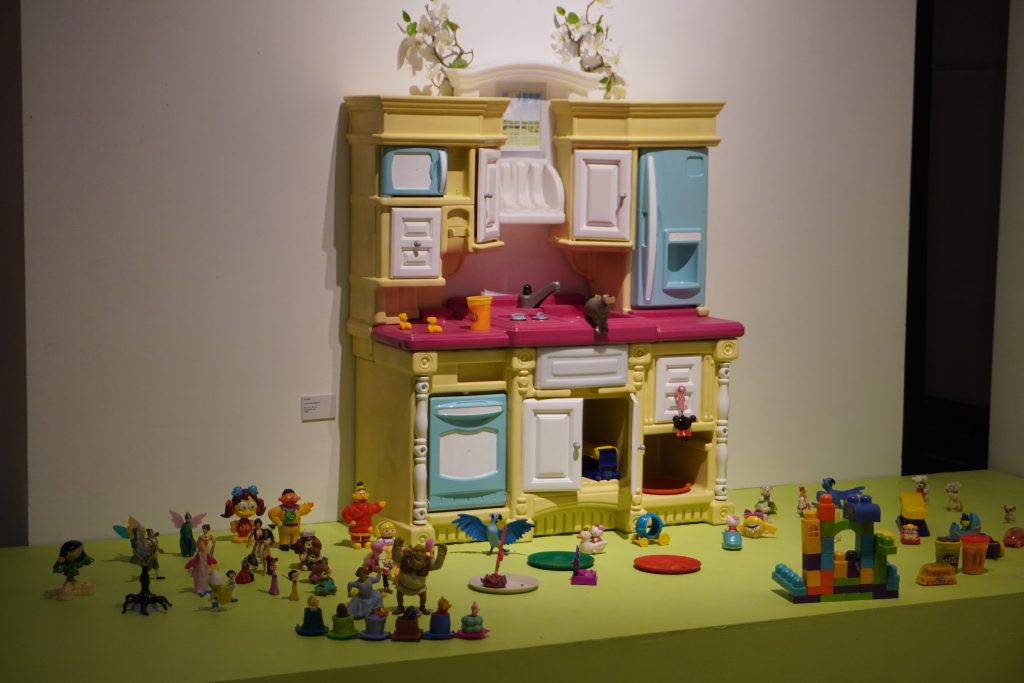
Photo Courtesy: Ram Andre Cosmo
How could toys, games, and make-believe worlds of childhood become a way of reclaiming the parts of ourselves we once learned to hide?
For Instructor Ram Andre P. Cosmo, this question became the starting point of LALAKI AKÒ, LALAKI ÁKO: Healing the Gay Inner Child, a Bachelor of Fine Arts in Studio Arts thesis completed in May 2026. Through a series of colorful, playful, and immersive intermedia artworks, Cosmo revisits his experiences growing up as a gay child in Cebu City, examining how social expectations surrounding masculinity and gender expression shaped his understanding of himself.
The thesis takes its title from a phrase often directed at young boys whose behavior or interests do not conform to conventional expectations of masculinity. Reclaiming this phrase, Cosmo turns what was once used to police his gender expression into an assertion of identity and self-affirmation.
At the center of the project is “Ramiboi,” an imagined childhood persona representing the artist’s younger self. Through this figure, Cosmo revisits memories of being ridiculed, corrected, and made to question his identity. The work becomes an exercise in reconnecting with this younger self—not by erasing difficult experiences, but by creating imaginative spaces where childhood curiosity, vulnerability, and joy can be recovered.
Making room for play and imagination
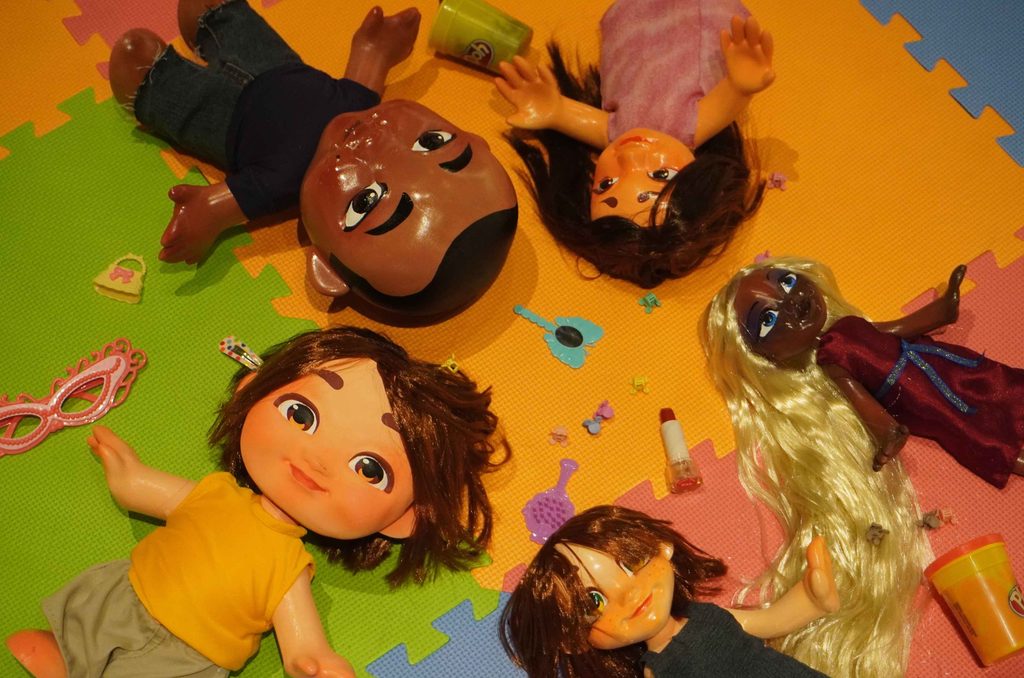
Photo Courtesy: Ram Andre Cosmo
Exploring multiple artistic mediums, Cosmo combines drawing, sculpture, installation, animation, claymation, video, and found objects to construct an interconnected visual and imaginative world.
The use of childhood-inspired imagery is deliberate. Toys, colorful surfaces, familiar domestic objects, and playful characters evoke the environments where children first develop their sense of identity and belonging. These elements also function as imaginative props, allowing the artist and audiences to participate in alternative scenarios through play and make-believe.
The exhibition RAMIBOI, presented at the Kabilin Center from May 13 to 19, 2026, transformed the gallery into an imaginative playroom. Instead of treating the artworks as objects to be viewed from a distance, the exhibition invited visitors to interact with installations and toy sculptures, activating the works through participation.
Among its central installations is BaTiBoT, which draws from the Filipino children’s television program Batibot and its associations with childhood resilience. The installation reconstructs elements of the artist’s childhood relationship with television through found furniture, colorful surfaces, animation, claymation, and video. It also draws on familiar Filipino pop-cultural references, including the SexBomb Girls, to evoke memories and cultural experiences shared by many queer Filipinos who grew up in the early 2000s.
Other works explore more intimate memories and relationships. I Love You, Sticker recreates elements of a childhood domestic environment through a play kitchenette, toys, and found objects, drawing from memories of affection and companionship between the artist and his father. Meanwhile, No More Siren Tears revisits childhood play with his mother, transforming memories of improvised mermaid play into a toy sculpture. Works such as Kosmika further explore transformation as a material expression of identity and becoming.
Together, these pieces demonstrate how seemingly ordinary objects and childhood experiences can be reinterpreted as meaningful artistic material.
Reimagining how queer childhood can be represented
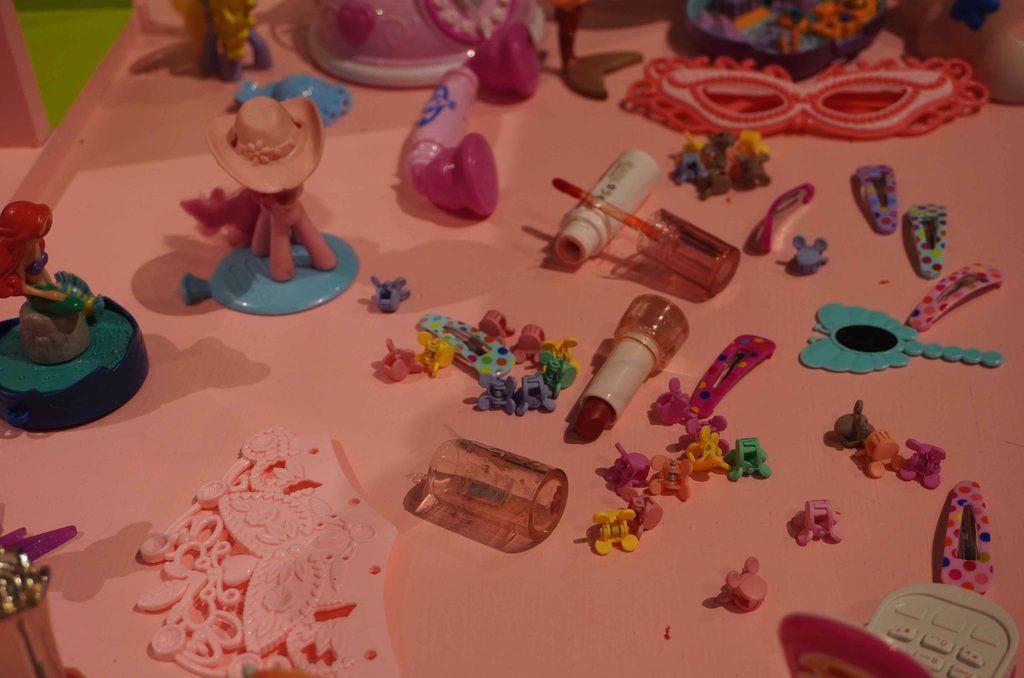
Photo Courtesy: Ram Andre Cosmo
Cosmo’s creative approach is grounded in intermedia art, a practice that combines or conceptually integrates different artistic forms. By bringing together two-dimensional drawing, three-dimensional sculpture, digital modeling, animation, and immersive installation, he creates a layered environment where personal narratives unfold across different visual and sensory experiences.
His practice also draws on ideas from Judith Butler’s theory of gender performativity and Kendall Walton’s theory of make-believe. These concepts inform how the artworks approach identity as something that can be explored, imagined, and reconfigured through repeated actions and imaginative participation.
This approach offers an alternative to representations of queer experiences that focus exclusively on documenting discrimination or asserting identity. By centering childhood play, fantasy, vulnerability, and joy, Cosmo makes room for audiences to encounter queer narratives through imagination and embodied experience.
The work also raises broader questions about the conditions in which LGBTQ+ children grow up. Gender-based teasing, bullying, and the policing of supposedly appropriate interests and behaviors can shape how young people understand themselves. For some, these experiences contribute to internalized homophobia and the pressure to suppress aspects of their identities to gain acceptance.
While grounded in the artist’s own experiences as a middle-class cisgender gay man, the thesis also draws from informal conversations with members of the LGBTQ+ community. Cosmo acknowledges that his account does not represent the entirety of queer experiences. Instead, it offers one situated perspective that may resonate with others who have navigated similar circumstances.
Turning childhood memories into spaces of possibility
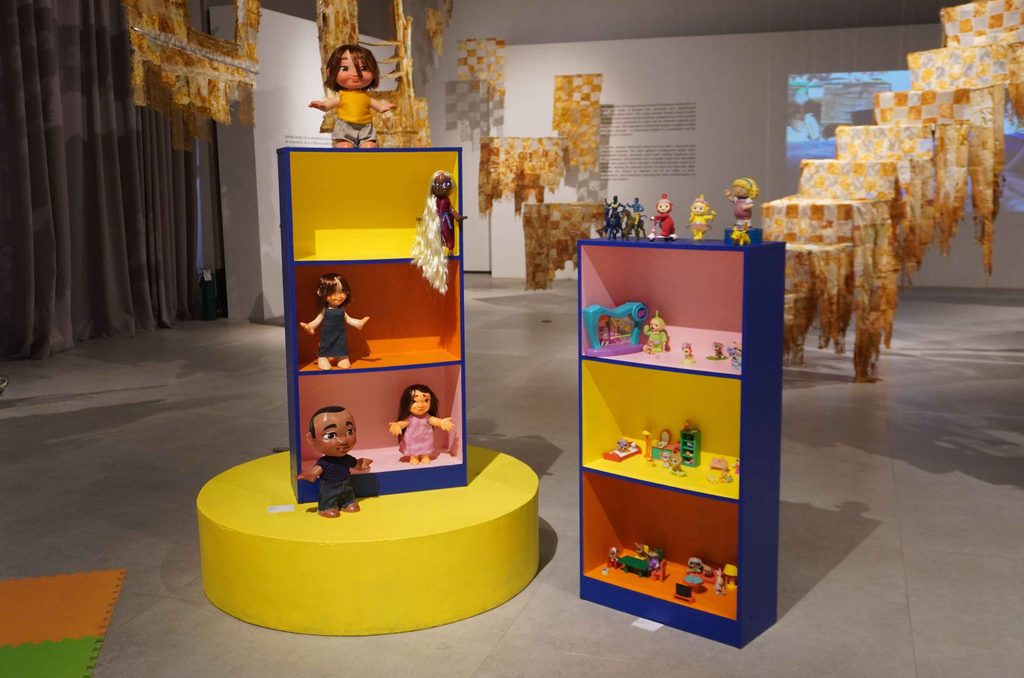
Photo Courtesy: Ram Andre Cosmo
Through LALAKI AKÒ, LALAKI ÁKO, Cosmo demonstrates how contemporary art can move beyond the production of objects and images toward the creation of spaces for reflection, participation, and imaginative engagement.
The exhibition’s interactive elements position audiences as active participants in making meaning. Through play, visitors are invited to engage with the artworks without the usual expectations of passive viewing. In this setting, the playroom becomes more than a reference to childhood; it becomes an imaginative environment where people can explore identity and memory.
For Cosmo, the project is ultimately an act of reconciliation with his younger self. For audiences, it offers an opportunity to reconsider the ways childhood experiences, gender expectations, and cultural environments shape personal identity.
By transforming memories once associated with shame and restriction into colorful worlds of play and imagination, Cosmo’s creative practice makes a compelling proposition: the experiences that taught us to hide parts of ourselves can also become starting points for reclaiming our capacity for joy, expression, and self-acceptance.
About the Artist
Ram Andre Papasin Cosmo is a Bachelor of Fine Arts in Studio Arts Instructor of the University of the Philippines Cebu. His thesis, LALAKI AKÒ, LALAKI ÁKO: Healing the Gay Inner Child, explores queer childhood experiences, internalized homophobia, identity, and memory through intermedia art, artistic play, and make-believe.